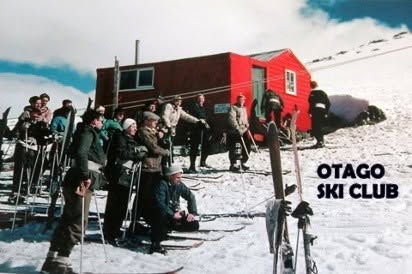
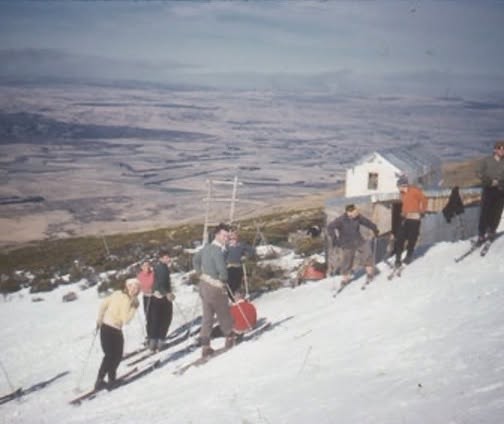
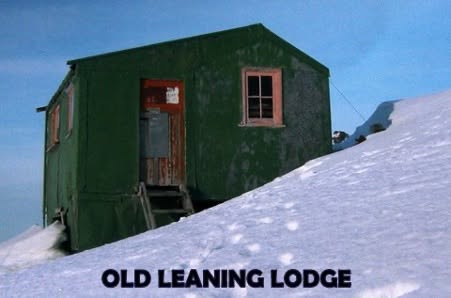
This new hut is the third Leaning Lodge that has occupied this site. The original hut was constructed in 1958 by the Otago Ski Club and used as a base for skiing in the area. There are still remnants of the old rope tow which went up the gully just North of the hut.
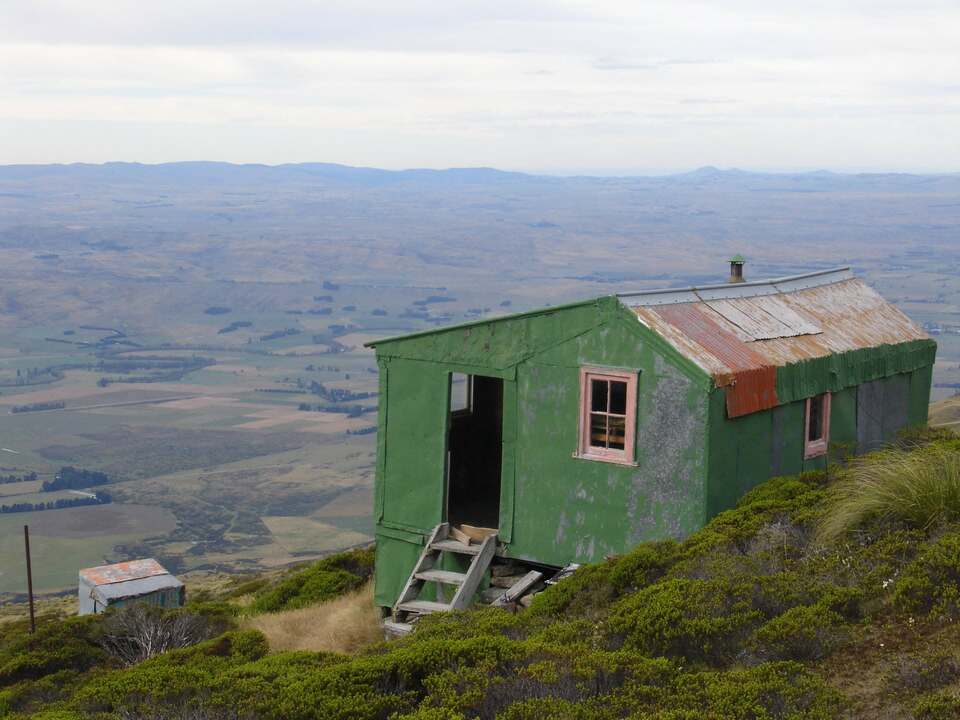
At a later stage, ownership of the hut was assumed by the Otago Tramping and Mountaineering Club (OTMC), It undertook an extensive upgrade of the original hut in 2012. The upgraded building was found on inspection not to meet the standards required for an Alpine hut.
The Rebuild
The new Leaning Lodge is the result of thousands of hours of volunteer work, often in adverse weather conditions. It would not have been possible without the support of many people, including organisations and individuals who donated to the rebuild fund.
When new leadership joined the Trust in 2019, earlier efforts to save the hut had already been underway. A major breakthrough occurred when it was proposed to keep the old hut standing temporarily and construct a new, fully compliant hut beside it. This addressed the long‑standing issue of how to rebuild safely on an exposed alpine site where the previous structure was “deemed unsafe for public use.”
The project required overcoming four major hurdles:
- A DOC concession variation to allow a new hut beside the old one.
- Building consent for a structure at 1200 metres, requiring specialist engineering for snow, wind, and exposure.
- Fundraising, achieved through private donations, grant applications, and a Givealittle campaign.
- A capable building team, including skilled volunteers and tradespeople.
Fundraising progressed rapidly, with the team describing the process as “extremely rewarding… in less than six months we had managed to raise $200,000.” A clear vision helped: the hut would provide accessible alpine experiences, family‑friendly outdoor opportunities, and citizen‑science activities linked to the area’s flora, fauna, and night sky.
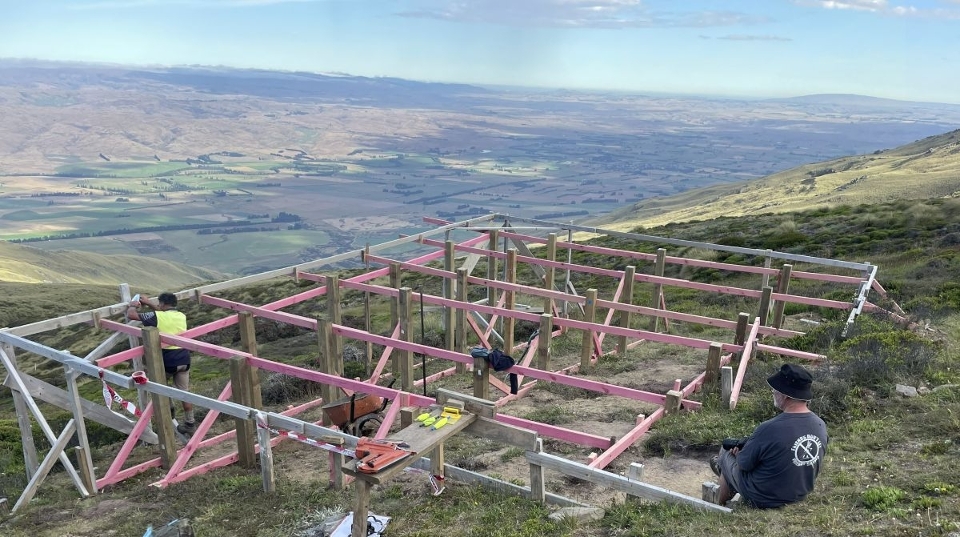
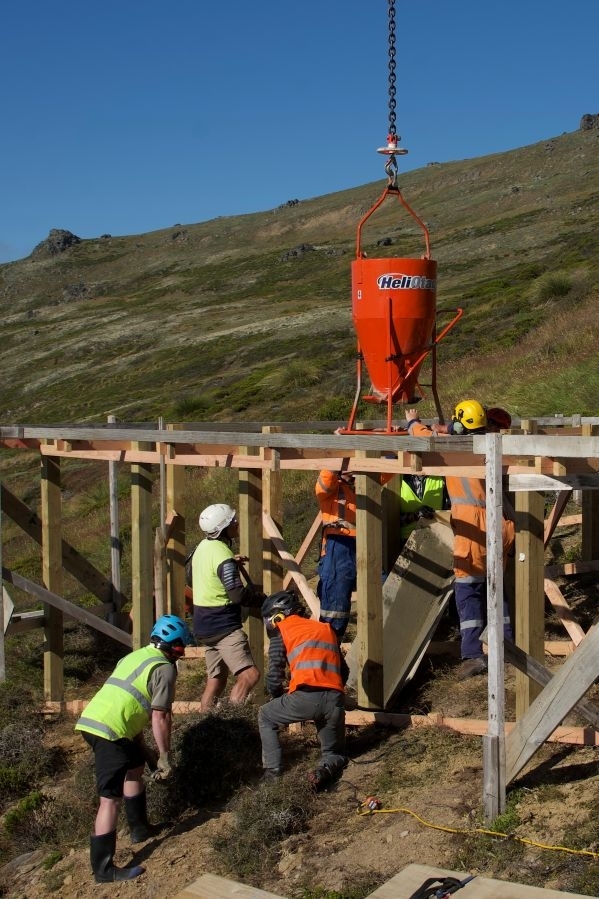
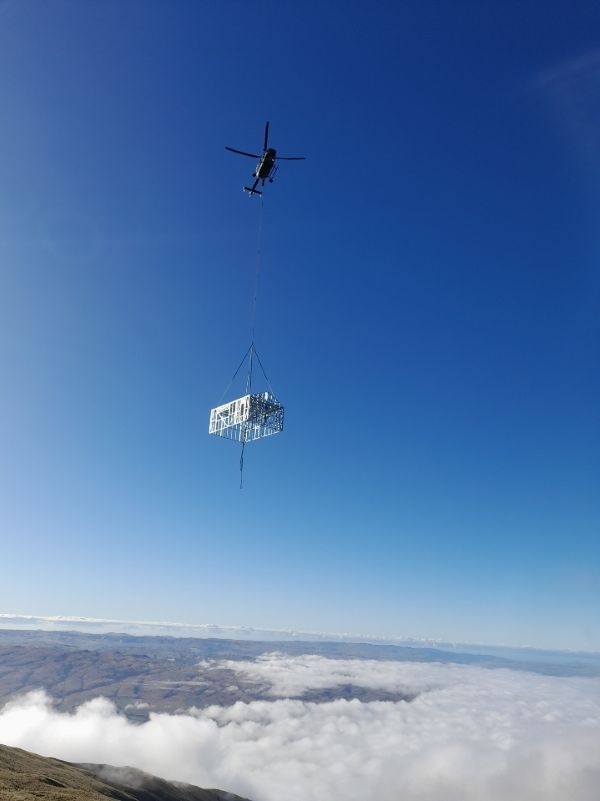
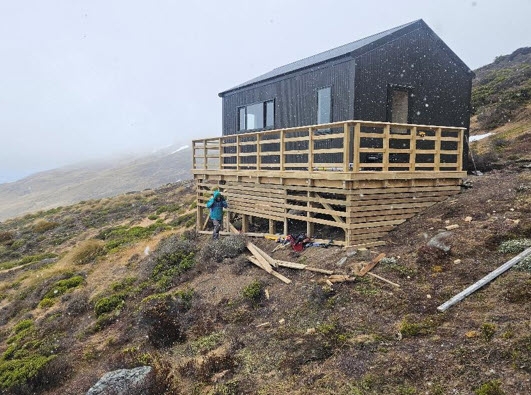
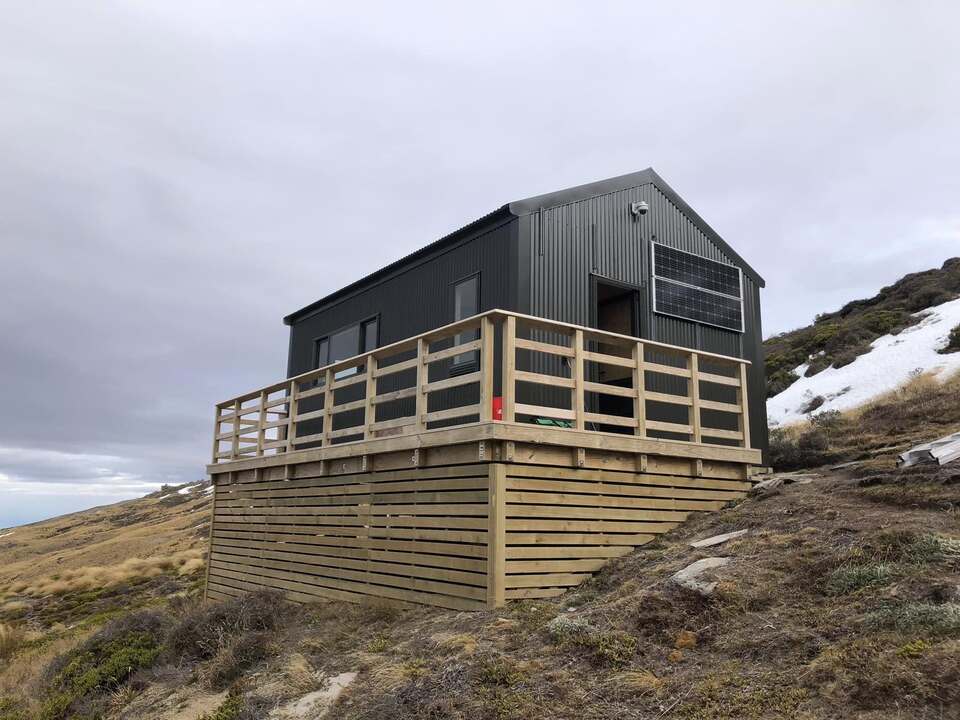
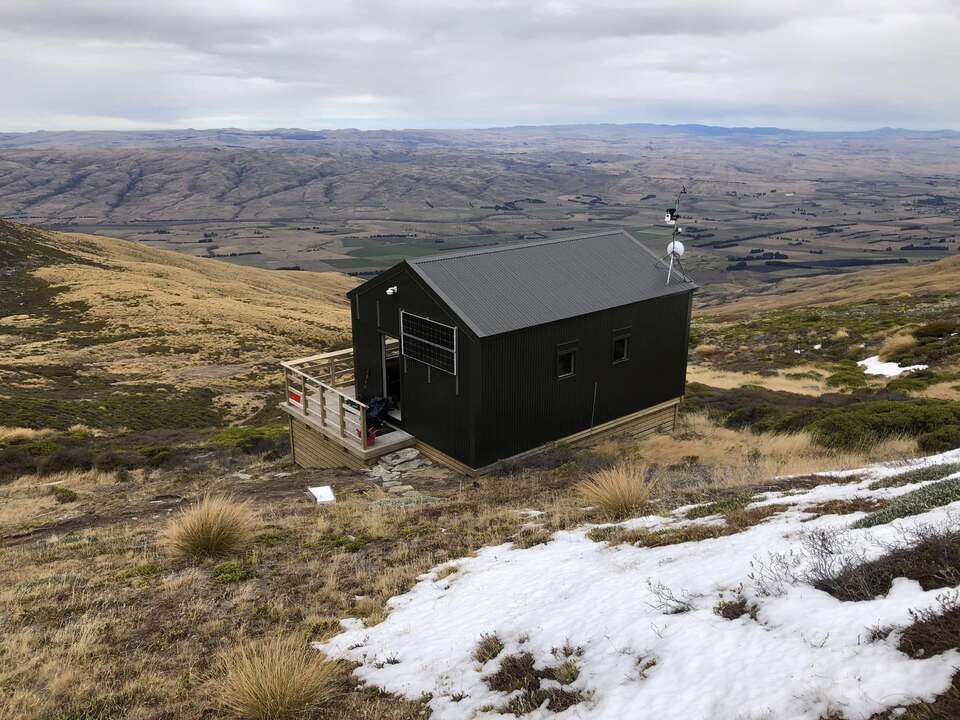
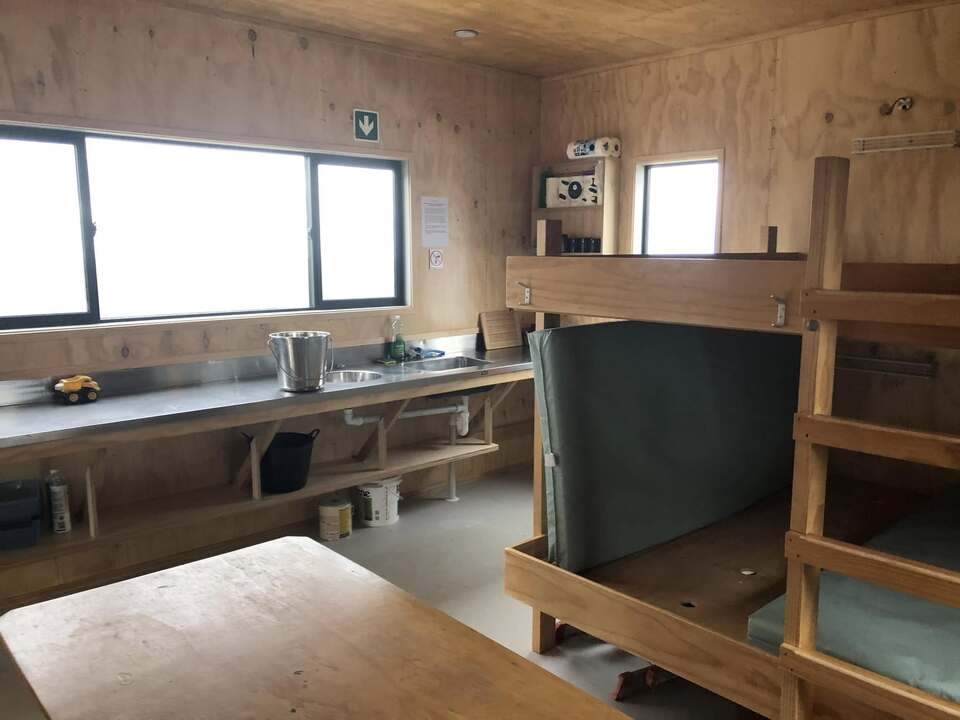
Construction began in early 2023. Volunteers dug piles, poured foundations, and secured the prefabricated steel frame—built off‑site and flown in by helicopter. The cladding was completed within ten days, ensuring the hut was weather‑tight before winter. Interior work continued through 2023–24, including solar power, lighting, webcams, and a weather station—features “very few other huts have.” The hut was officially signed off and opened for bookings in June 2024.
The final major task was removing the old hut. A local team dismantled it and flew it off the mountain in a coordinated operation. Supporters watched from the new hut as the original building was lifted away—“quite a nostalgic day,” yet satisfying, knowing earlier rebuild efforts would be preserved.
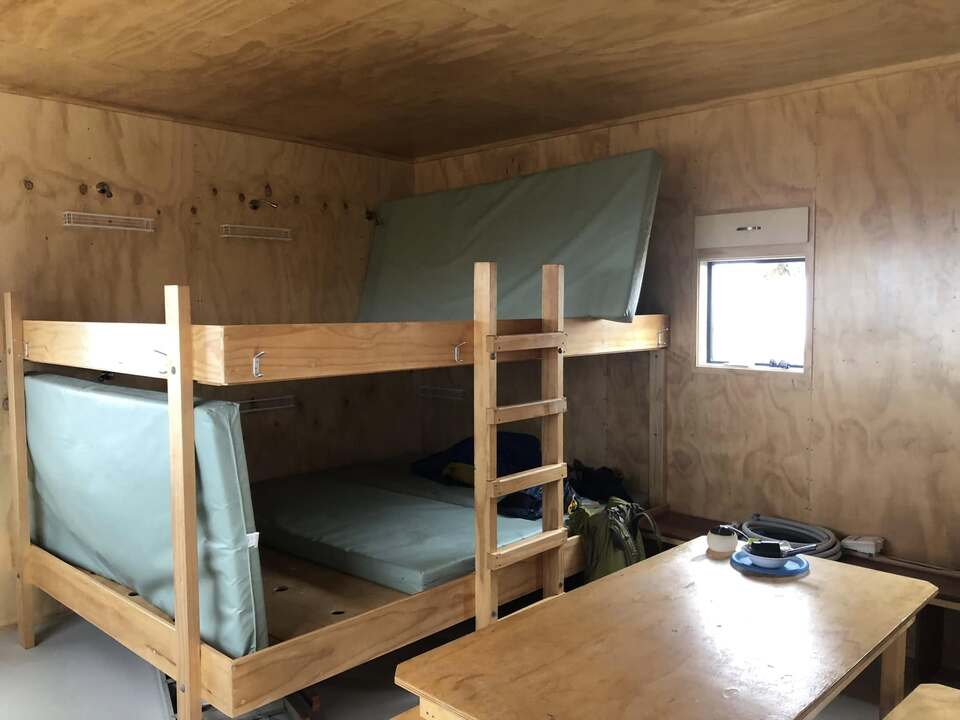
Today, Leaning Lodge stands as a modern, resilient alpine hut built to high standards and designed to withstand severe weather. The Trust now focuses on maintenance, developing citizen science activities, investigating new walking/biking access and ensuring the hut continues to support safe, enjoyable experiences on the Rock and Pillar Range.
Early Adventures
Nearly a century of alpine history lives in the memories of Martin Wilson and Pete Strang—two men whose lives were shaped by adventure, community, and the rugged charm of the Rock and Pillar Range.
Martin Wilson – Skiing in the Early Days
Martin Wilson, now approaching 100, recalls his youthful weekends escaping the office for the South Island high country. As a young accountant and member of the Otago Alpine Club, he joined friends on long day trips from Dunedin to Middlemarch, tramping up the Rock and Pillars with skis strapped to their packs. These were the days before Leaning Lodge existed, when reaching the snow meant hours of climbing and the skiing itself was often “pretty marginal.”
He remembers the range as a place for the adventurous rather than the wealthy, a sentiment that changed only later when skiing became more commercialised. Eventually, he and his family shifted their skiing to Coronet Peak, though the Rock and Pillars always drew them back for a time.
One story stands out: the accident involving Dave Paulin, a key figure in developing skiing on the range. After installing a rope tow system, Paulin rode it to the top but failed to let go in time, catching his hand in the nutcracker mechanism and losing three fingers. With no protective housing around the pulley, the only safeguard was a verbal warning—an illustration of the era’s improvisation and risk.
Despite the decades that have passed, Martin still speaks warmly of those early alpine days, when adventure was simple, cold, and deeply rewarding.
Pete Strang – A Life of Climbing and Commitment
Retired GP Pete Strang, now 83, has lived a life steeped in mountaineering. Pete first visited the range with his father, later returning often during his university years as a member of both the Otago Tramping Club and Otago Alpine Club. He describes the Rock and Pillars as a “very good training ground”—tame in some respects, but capable of turning serious without warning.
One such moment came when he and his future wife Marion were caught in a blizzard while heading to Leaning Lodge. Navigating pole to pole in near‑zero visibility, they eventually reached the hut and waited out the storm for three days. Their return journey included sliding off their motorbike near Clarks Junction, where locals took them in until the roads cleared. Marion’s enthusiasm for adventure waned after that, though she remained supportive of Pete’s climbing pursuits.
Pete’s connection to the range continued through countless solo trips—walking from the Middlemarch train station under moonlight, skiing down the Sowburn, and climbing back up again. For him, the mountains have always held a spiritual pull, offering challenge, solitude, and purpose. He passed this passion on to his sons, and he and Marion became long‑time supporters of the Leaning Lodge Trust, contributing to the hut rebuild.
A Shared Legacy
Together, Martin and Pete represent two generations of alpine enthusiasts whose stories capture the spirit of the Rock and Pillar Range: adventurous, unpredictable, and deeply loved. Their memories preserve a time when skiing and tramping were shaped by determination, camaraderie, and the simple joy of heading for the hills.
Lorem Ipsum is simply dummy text of the printing and typesetting industry. Lorem Ipsum has been the industry's standard dummy text ever since the 1500s, when an unknown printer took a galley of type and scrambled it to make a type specimen book.
Modern Day Activities
he Rock and Pillar Range is a popular outdoor destination just an hour from Dunedin, offering families and enthusiasts their first taste of alpine terrain. Its rugged landscape, dramatic schist tors, and sweeping views make it ideal for a wide range of activities.
Tramping remains one of the most rewarding ways to experience the range. Several routes lead to the tops, see "How to get there". Walkers can enjoy expansive views across the Strath Taieri and beyond, and those wanting a longer adventure can stay overnight at either Big Hut or Leaning Lodge.
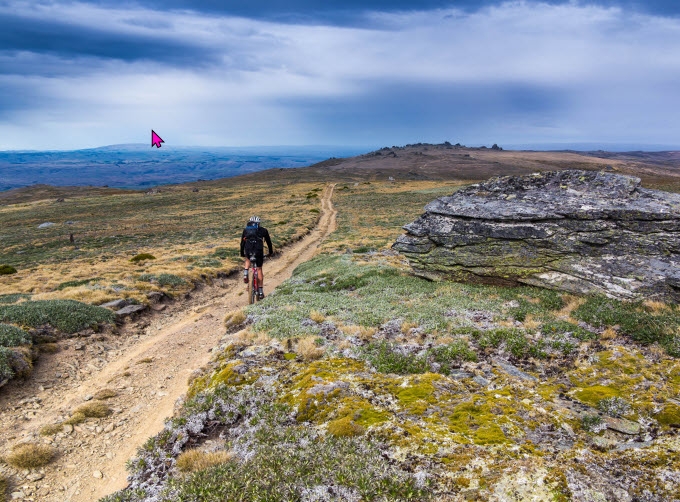
Mountain biking provides a more technical challenge. The high‑altitude trails suit experienced riders, with steep climbs, rocky sections, and fast, exposed descents. Weather can change rapidly on the tops, so riders must be well‑prepared and self‑sufficient.
The range is also used as a training ground for alpine skills, with groups practising climbing fundamentals in realistic conditions. Families frequently explore the area, Local schools use the area for outdoor learning, including ecology sessions focused on native flora and fauna.
At night, the Rock and Pillars offer excellent stargazing opportunities. With minimal light pollution, visitors can see the Milky Way rising over Otago and observe distant galaxies. Astronomers often visit the area to photograph faint objects setting over the range.
Across all activities, preparation is essential. The Rock and Pillar Range is remote, exposed, and prone to sudden weather changes. Whether tramping, biking, climbing, or stargazing, visitors should plan carefully and respect the environment to ensure a safe and enjoyable experience.